
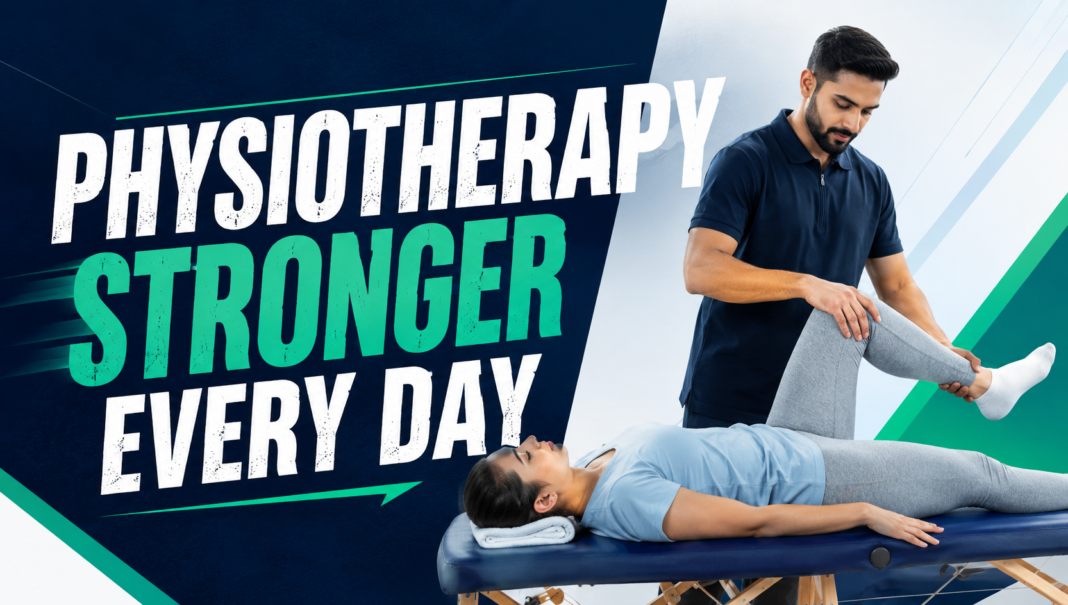

Physical health plays a vital role in maintaining an active and productive lifestyle. Whether it is recovering from an injury, managing chronic pain, improving mobility, or enhancing physical performance, physiotherapy has become one of the most effective healthcare solutions available today. A qualified physiotherapist helps people regain strength, restore movement, and improve their overall quality of life through evidence-based treatment methods.
People searching for the best physiotherapist in greater noida often want reliable treatment that focuses on long-term recovery rather than temporary pain relief. Physiotherapy provides a holistic approach to healing by identifying the root cause of discomfort and creating personalized treatment plans.
What Is Physiotherapy
Physiotherapy is a healthcare profession that focuses on restoring movement, function, and physical well-being. It uses scientifically proven techniques such as manual therapy, exercise therapy, posture correction, rehabilitation programs, and advanced therapeutic equipment to help patients recover from various conditions.
Unlike treatments that only address symptoms, physiotherapy works on improving the body’s natural healing process. It helps reduce pain, strengthen muscles, improve flexibility, and prevent future injuries.
A physiotherapist evaluates a patient’s condition, medical history, movement patterns, and physical limitations before creating a customized treatment strategy.
Who Is a Physiotherapist
A physiotherapist is a trained healthcare professional who specializes in diagnosing and treating movement-related disorders. They work with patients of all age groups, from children to senior citizens.
Their role includes:
- Assessing physical conditions
- Identifying movement restrictions
- Designing rehabilitation programs
- Providing pain management techniques
- Improving mobility and flexibility
- Educating patients about injury prevention
- Supporting post-surgical recovery
Physiotherapists often collaborate with orthopaedic doctors, neurologists, sports specialists, and other healthcare professionals to ensure comprehensive patient care.
Common Conditions Treated by Physiotherapists
Physiotherapy is beneficial for a wide range of medical conditions. Some of the most common conditions include:
Back Pain
Lower back pain is one of the leading causes of disability worldwide. Physiotherapy helps reduce pain through targeted exercises, posture correction, and strengthening programs.
Neck Pain
Long hours of desk work, poor posture, and excessive mobile phone use often lead to neck pain. Physiotherapists help relieve stiffness and improve neck mobility.
Sports Injuries
Athletes frequently experience injuries such as ligament tears, muscle strains, and joint problems. Physiotherapy helps speed up recovery and improve athletic performance.
Arthritis
People suffering from arthritis often experience joint pain and stiffness. Physiotherapy helps maintain joint function and reduce discomfort.
Frozen Shoulder
This condition causes pain and restricted shoulder movement. Specialized physiotherapy exercises help restore normal shoulder function.
Stroke Rehabilitation
Patients recovering from strokes often face mobility challenges. Physiotherapy plays a crucial role in improving balance, coordination, and movement.
Post-Surgical Recovery
After surgeries such as knee replacement, hip replacement, or spinal surgery, physiotherapy supports faster healing and helps patients regain independence.
Sciatica
Sciatica causes pain that travels from the lower back down the leg. Physiotherapy helps reduce nerve compression and improve mobility.
Benefits of Physiotherapy
Physiotherapy offers numerous health benefits beyond pain relief.
Reduces Pain Naturally
Physiotherapy uses exercises, manual techniques, and therapeutic modalities to manage pain without excessive dependence on medications.
Improves Mobility
Whether caused by injury, aging, or surgery, mobility limitations can significantly affect daily life. Physiotherapy helps restore movement and flexibility.
Prevents Surgery
In some cases, early physiotherapy intervention can reduce the need for surgical procedures by improving the body’s ability to heal naturally.
Accelerates Recovery
Patients recovering from injuries or surgeries often recover faster with structured physiotherapy programs.
Improves Balance and Coordination
Balance training exercises reduce the risk of falls, especially among older adults.
Enhances Physical Strength
Strengthening exercises help support joints, improve posture, and prevent recurring injuries.
Boosts Quality of Life
Reduced pain, improved mobility, and increased independence contribute to a healthier and happier life.
Modern Physiotherapy Techniques
Today’s physiotherapy clinics use a combination of traditional and advanced treatment methods.
Manual Therapy
Hands-on techniques are used to mobilize joints, release muscle tension, and improve movement.
Exercise Therapy
Customized exercises help strengthen muscles and improve flexibility.
Electrotherapy
Techniques such as TENS and ultrasound therapy help reduce pain and support tissue healing.
Dry Needling
This treatment targets trigger points within muscles to reduce pain and improve function.
Kinesiology Taping
Specialized tapes provide support to muscles and joints while allowing natural movement.
Postural Correction
Physiotherapists identify posture-related issues and provide corrective strategies to prevent pain and injury.
Rehabilitation Programs
Structured rehabilitation plans help patients recover safely after surgeries, injuries, or neurological conditions.
Importance of Early Physiotherapy Intervention
Many people delay treatment until pain becomes severe. Early physiotherapy intervention often leads to better outcomes and shorter recovery times.
Seeking treatment early can:
- Prevent chronic pain development
- Reduce recovery time
- Improve treatment effectiveness
- Minimize complications
- Prevent further injury
Addressing small issues before they become major problems can save both time and healthcare expenses.
Physiotherapy for Office Workers
Modern lifestyles have increased the number of people experiencing posture-related problems. Office workers commonly suffer from:
- Neck pain
- Back pain
- Shoulder stiffness
- Wrist discomfort
- Headaches caused by poor posture
Physiotherapy helps identify ergonomic issues and provides exercises that improve workplace health.
Simple habits such as maintaining proper sitting posture, taking movement breaks, and performing stretching exercises can significantly reduce discomfort.
Physiotherapy for Senior Citizens
As people age, maintaining mobility becomes increasingly important. Physiotherapy helps older adults:
- Improve balance
- Prevent falls
- Increase flexibility
- Strengthen muscles
- Manage arthritis symptoms
- Maintain independence
Regular physiotherapy sessions can contribute to healthier aging and improved quality of life.
Physiotherapy for Athletes
Athletes place significant demands on their bodies. Physiotherapy supports both injury prevention and performance enhancement.
Benefits include:
- Faster injury recovery
- Improved flexibility
- Better muscle strength
- Enhanced endurance
- Reduced risk of recurring injuries
Sports physiotherapy programs are tailored to specific athletic activities and performance goals.
Tips for Choosing the Right Physiotherapist
Selecting the right physiotherapist can greatly impact recovery outcomes.
Consider the following factors:
Qualifications and Experience
Ensure the physiotherapist has recognized professional qualifications and relevant clinical experience.
Treatment Approach
Look for professionals who focus on personalized treatment plans rather than one-size-fits-all solutions.
Patient Reviews
Positive feedback from previous patients often indicates quality care and successful treatment outcomes.
Modern Equipment
A well-equipped clinic can provide access to advanced treatment methods and rehabilitation technologies.
Communication Skills
A good physiotherapist explains treatment plans clearly and actively involves patients in their recovery journey.
Maintaining Results After Physiotherapy
Recovery does not end after treatment sessions. Long-term success requires maintaining healthy habits.
Recommended practices include:
- Regular exercise
- Proper posture
- Healthy body weight
- Stretching routines
- Ergonomic workplace setup
- Adequate hydration
- Consistent physical activity
Following professional guidance helps maintain treatment benefits and prevent future injuries.
Conclusion
Physiotherapy is a powerful healthcare solution that helps people recover from injuries, manage pain, improve mobility, and enhance overall well-being. Whether dealing with chronic pain, sports injuries, post-surgical rehabilitation, or age-related mobility issues, physiotherapy provides personalized care that supports long-term health.
For individuals looking for a top physiotherapy center in Delhi, choosing a qualified physiotherapist can make a significant difference in achieving faster recovery, better mobility, and an improved quality of life.

