

Bihar’s rooftop-solar expansion could make solar power more accessible for low-income households across the state. Under the Kutir Jyoti initiative, eligible BPL and Kutir Jyoti consumers are being brought into rooftop solar through phased free-installation programmes supported by the state and linked with the wider PM Surya Ghar framework.
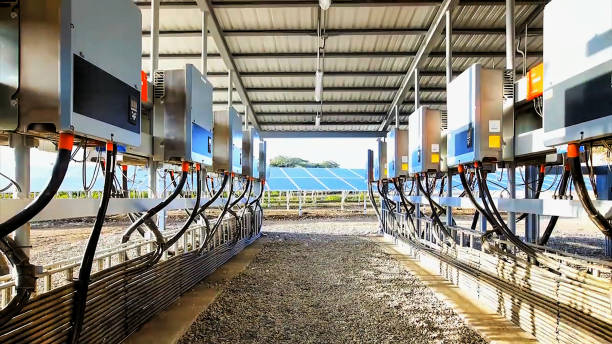
For first-time users, solar panels are only one part of the system. The solar inverter is equally important because it converts the electricity generated on the roof into usable power for lights, fans, appliances, and other household needs. Understanding the inverter’s role, the system’s limits, and basic maintenance can help families get more reliable value from their new solar installation.
What Bihar’s Kutir Jyoti solar programme is aiming to do
Bihar has announced a large-scale free rooftop-solar initiative for BPL and Kutir Jyoti households. The wider target is reported as 58.89 lakh eligible BPL households, with installation planned in phases rather than all at once.
The first phase focuses on around 2.5 lakh households. Reporting during 2026 has cited slightly different system capacities, from approximately 1 kW and 1.1 kW to 1.5 kW, depending on the announcement and rollout stage. The consistent point is that eligible families are expected to receive a small rooftop system at no installation cost, subject to suitability of the roof and scheme requirements.
Some published scheme summaries say that a minimum permanent, shadow-free roof area of around 64 square feet may be needed for the standard installation.
Why the inverter matters as much as the panels
Solar panels create direct-current, or DC, electricity. Most household appliances use alternating-current, or AC, electricity. The solar inverter converts panel output into usable AC power.
For a BPL household receiving a small rooftop system, the inverter is the component that makes solar electricity practical inside the home. It helps power common daytime loads such as:
- LED lights
- Fans
- Mobile-phone charging
- Television
- Small household appliances
- Selected sockets
- Basic digital devices
The exact appliances supported depend on the system’s size, real-time solar generation, the inverter rating, and how much electricity the household uses at the same time.
This is why families should not assume that a small 1–1.5 kW rooftop system will run every appliance in the home. High-power loads such as electric heaters, induction cookers, irons, water pumps, air-conditioners, or large refrigerators can exceed the available capacity if used together.
What type of inverter might be installed?
The final equipment specification depends on the government’s approved tender, installer, system design, and site conditions. Homeowners should therefore avoid assuming that every Kutir Jyoti installation will have identical panels, batteries, or inverter features.
In general, rooftop solar systems may use:
- On-grid inverters: These use solar electricity during the day and work with the utility grid. They generally shut down during a power cut for safety.
- Hybrid inverters: These can work with solar panels, battery storage, and the grid. They may support selected appliances during outages when batteries and backup circuits are included.
- Off-grid inverters: These are designed for homes without reliable grid access and depend more heavily on solar panels and batteries.
The scheme documents and local installation design will determine which configuration each beneficiary receives. A beneficiary should ask the installer clearly: “Will this system work during a power cut, or is it designed only for daytime solar use?”
Small systems need smart appliance use
A free rooftop-solar system can reduce electricity dependence and improve daytime access to power, but it works best when families understand how to use it efficiently.
For example, it is generally better to use higher-consumption appliances during the strongest solar hours, usually late morning to mid-afternoon, rather than after sunset. Running lights, fans, phone charging, television, and small appliances at the same time may be practical, but adding an iron, pump, heater, or cooker can overload a small system.
To get more value from the installation, households can:
- Use solar electricity actively during daylight hours.
- Switch off appliances that are not needed.
- Avoid operating several high-power appliances together.
- Use LED lights and energy-efficient fans.
- Keep panels free of dust, leaves, and shading where safely possible.
- Report recurring inverter warning lights or fault messages promptly.
- Follow the installer’s guidance on safe operation.
This is not only about reducing bills. It also helps protect the inverter, avoid overloads, and improve the life of the system.
Basic inverter maintenance for first-time users
Most solar inverters need very little day-to-day maintenance, but a few simple practices are important.
First, keep the inverter location dry, ventilated, and clear. Do not cover it with clothes, boxes, or household items. Heat and poor ventilation can reduce performance or trigger safety shutdowns.
Second, check the inverter’s display or status light occasionally. A green light usually indicates normal operation, but colours and codes vary by model. If a warning light appears, take a photo or note the code before contacting the installer or service team.
Third, do not open the inverter or touch electrical wiring. Any internal inspection, wiring change, repair, or replacement should be performed by an authorised technician.
Finally, panels should be visually checked from a safe distance for shade, debris, or heavy dust. Routine cleaning, if needed, should follow the installer’s safety advice and should never involve walking on a roof without proper precautions.
What households should ask the installer
A solar installation is easier to use when the beneficiary understands what has been installed. During handover, families should ask:
- What is the system capacity in kW?
- Which appliances can the system run safely?
- Does it work during a power cut?
- Does it include battery backup?
- What do the inverter lights or display messages mean?
- Who should be contacted if the system stops generating?
- What cleaning or maintenance is expected from the household?
- What warranty or service support is available?
These questions are especially important for first-time solar users. A clear explanation from the installer can prevent accidental overloading, unsafe handling, and unrealistic expectations.
How this solar push could change household energy use
The Kutir Jyoti programme is about more than installing rooftop panels. It can help eligible households reduce dependence on grid electricity for everyday daytime needs, improve energy access, and introduce families to a more decentralised way of using power.
For a household that has relied completely on conventional supply, even a small solar system can make a meaningful difference for lighting, cooling, charging, and daytime appliances. But the long-term success of the rollout will depend on installation quality, reliable after-sales support, user awareness, and the correct maintenance of both panels and inverters.
Solaire’s solar inverter and energy-storage portfolio show the broader range of on-grid, hybrid, and utility-scale systems used across residential and commercial settings. For Bihar’s first-time rooftop-solar users, the key lesson is simple: the panel captures sunlight, but the solar inverter makes that energy usable in the home.
The practical takeaway
Bihar’s solar rollout has the potential to reach millions of BPL households over time. The first phase targets approximately 2.5 lakh homes, while the wider programme aims to cover 58.89 lakh eligible BPL households in stages.
For beneficiaries, the most important things to remember are:
- A small solar system is best used for essential and daytime loads.
- The inverter is the core device that turns solar power into usable household electricity.
- Not all systems automatically provide backup during grid cuts.
- Overloading appliances can reduce performance or trip the system.
- Safe, simple maintenance and timely reporting of faults can protect the installation.
With the right guidance and responsible use, rooftop solar can become a practical source of cleaner, more dependable household energy for Bihar’s BPL families.

