
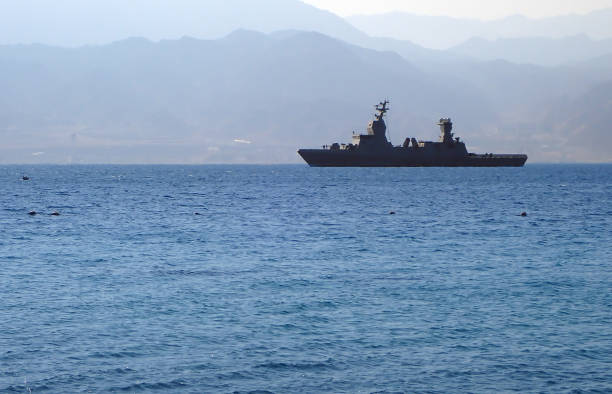

The US Navy presence in the Strait of Hormuz plays a vital role in maintaining stability in one of the most strategically important waterways in the world. This narrow passage between Iran and Oman connects the Persian Gulf to the Gulf of Oman and serves as a key shipping route for global oil supplies. Because a large portion of the world’s oil exports pass through this waterway, protecting the safety of commercial vessels is considered a top international priority.
Over the years, the United States Navy has maintained a strong presence in the region to support maritime security and ensure freedom of navigation. Its operations in the Strait of Hormuz help protect international shipping routes and reduce the risk of disruptions that could affect global energy markets.
Understanding why the US Navy operates in this region helps explain its importance to global economic stability and international trade.
Strategic Importance of the Strait of Hormuz
The Strait of Hormuz is widely recognized as the most important oil transit chokepoint in the world. Millions of barrels of crude oil and petroleum products pass through this narrow waterway every day.
Oil exports from major producers such as Saudi Arabia, Iraq, Kuwait, Qatar, and the United Arab Emirates depend heavily on this route. Tankers carrying energy supplies to Asia, Europe, and other regions must travel through the strait before reaching open ocean trade routes.
Because global energy markets rely so heavily on this corridor, any disruption can quickly affect oil prices and economic stability. This is one of the main reasons behind the continued US Navy presence in the Strait of Hormuz.
Role of the US Navy in the Region
The primary mission of the US Navy in the Strait of Hormuz is to maintain maritime security and protect international shipping lanes. Naval forces conduct patrol operations, monitor vessel traffic, and respond to potential threats in the region.
These operations are designed to ensure that commercial ships, especially oil tankers, can safely navigate the strait without interference. The presence of naval forces acts as a deterrent against attacks, piracy, or attempts to block the waterway.
The US Navy also works closely with allied nations to coordinate security efforts and maintain stability across the broader Persian Gulf region.
Freedom of Navigation Operations
One of the key principles guiding naval operations in the region is the concept of freedom of navigation. This principle supports the right of ships from all nations to travel through international waters without obstruction.
Through regular patrols and monitoring missions, the US Navy presence in the Strait of Hormuz helps reinforce this principle. Naval vessels escort commercial ships when necessary and maintain communication with maritime authorities to ensure safe passage.
These operations help reassure shipping companies and international markets that the waterway will remain open to global trade.
Naval Bases and Fleet Operations
The United States operates several important military facilities in the broader Middle East region that support naval activities in the Strait of Hormuz.
These bases allow the US Navy to deploy aircraft carriers, destroyers, patrol vessels, and surveillance aircraft that monitor activity in the Persian Gulf. Advanced radar systems and satellite technology help track ship movements and detect potential security threats.
Naval forces operating in the region are typically part of larger fleet structures that coordinate operations across multiple maritime areas.
The combination of naval ships, aircraft, and surveillance technology strengthens the overall effectiveness of the US Navy presence in the Strait of Hormuz.
Response to Maritime Incidents
Another important role of the US Navy is responding to maritime incidents in the region. These incidents can include attacks on oil tankers, vessel seizures, or suspicious activities near commercial shipping lanes.
When such events occur, naval forces can quickly provide assistance, investigate the situation, and help ensure the safety of nearby vessels.
Rapid response capabilities are essential in a region where heavy shipping traffic and geopolitical tensions sometimes create complex security challenges.
By maintaining a constant presence, the US Navy can react quickly to emerging threats.
Cooperation with International Allies
Maritime security in the Strait of Hormuz is not handled by a single country alone. The United States works closely with several international partners to maintain stability in the region.
Naval forces from multiple countries participate in joint patrols, training exercises, and intelligence sharing. This cooperation strengthens regional security and helps prevent disruptions to global trade routes.
These multinational efforts also demonstrate a shared commitment to protecting the free flow of energy supplies through the strait.
Such cooperation enhances the effectiveness of the US Navy presence in the Strait of Hormuz.
Impact on Global Oil Markets
Because the Strait of Hormuz is such a critical energy route, stability in the region directly influences global oil markets.
Investors and energy traders closely monitor any developments related to security in the strait. When tensions increase, oil prices often become more volatile due to fears of supply disruptions.
The presence of naval forces helps reduce these concerns by ensuring that shipping lanes remain protected. In this way, the US Navy contributes indirectly to the stability of global energy markets.
Challenges Facing Naval Operations
Despite its strong presence, the US Navy faces several challenges while operating in the Strait of Hormuz.
The region is characterized by heavy commercial traffic, narrow shipping lanes, and complex political dynamics. Naval vessels must carefully navigate these conditions while maintaining security operations.
In addition, regional tensions can sometimes create situations where naval forces from different countries operate in close proximity. Managing these interactions requires careful coordination and communication.
Even with these challenges, maintaining the US Navy presence in the Strait of Hormuz remains an essential part of international maritime security efforts.
Future of Naval Security in the Strait
Looking ahead, the Strait of Hormuz will likely remain a key focus for naval security operations. As global demand for energy continues, the importance of protecting shipping routes will only increase.
Technological advancements such as unmanned surveillance systems, satellite monitoring, and improved communication networks may enhance maritime security efforts in the region.
At the same time, diplomatic efforts to reduce regional tensions could help lower the risk of conflicts that threaten shipping routes.
Balancing security operations with diplomatic engagement will be important for maintaining long-term stability in the strait.
Conclusion
The US Navy presence in the Strait of Hormuz is a crucial element in maintaining global maritime security. By protecting one of the world’s most important oil shipping routes, naval forces help ensure that energy supplies continue to flow smoothly to international markets.
Through patrol operations, international cooperation, and rapid response capabilities, the US Navy plays a significant role in safeguarding commercial vessels and supporting freedom of navigation.
As long as the global economy relies on energy exports from the Persian Gulf, the strategic importance of the Strait of Hormuz—and the naval forces protecting it—will remain a key factor in global stability and trade.

