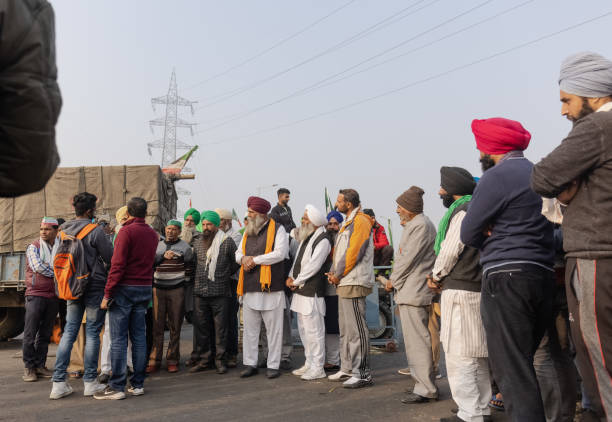

The farmers protest in Punjab continues to dominate headlines, reflecting ongoing tensions between agricultural communities and the government. Over the past few years, farmer movements have played a major role in shaping India’s agricultural policies, and the latest developments in Punjab once again highlight unresolved issues.
In 2026, the protest has gained renewed momentum, with thousands of farmers taking to the streets to demand policy reforms, better pricing, and long-term security for their livelihoods. This article provides the latest updates, explores the reasons behind the protest, and analyzes its impact on the economy and society.
Latest News on Farmers Protest in Punjab
The current phase of the farmers protest in Punjab has seen large gatherings across multiple districts. Farmers have organized rallies, blocked highways, and staged demonstrations at key locations.
Recent developments include:
- Mass protests led by farmer unions
- Road blockades affecting transportation
- Increased security presence in protest areas
- Ongoing negotiations between farmer leaders and government officials
The protests are largely peaceful but have caused disruptions in daily life, especially in transportation and trade.
Why Are Farmers Protesting in Punjab?
The farmers protest is not a sudden reaction but the result of long-standing concerns within the agricultural sector.
1. Demand for Legal Guarantee of MSP
One of the biggest demands is a legal guarantee for Minimum Support Price (MSP). Farmers want assurance that their crops will be purchased at a fixed minimum price.
Without a legal framework, many farmers fear:
- Price fluctuations
- Exploitation by middlemen
- Financial instability
MSP remains the core issue driving the protest.
2. Rising Cost of Farming
Agriculture has become increasingly expensive due to:
- High fertilizer prices
- Expensive seeds
- Rising diesel costs
Farmers argue that while input costs have increased significantly, their income has not kept pace.
3. Debt Burden
Many farmers in Punjab are struggling with debt. Loans taken for farming often become difficult to repay due to uncertain crop yields and market prices.
This has led to:
- Financial stress
- Increased dependency on credit
- Social challenges in rural communities
4. Demand for Loan Waivers
Another major demand is loan waivers for farmers facing financial distress. Farmer unions believe this is necessary to provide immediate relief.
5. Concerns Over Agricultural Policies
Farmers have expressed concerns about government policies that they feel may:
- Reduce their bargaining power
- Increase corporate control over agriculture
- Limit their income security
These concerns have fueled distrust and led to widespread protests.
Role of Farmer Unions in Punjab
Farmer unions have played a crucial role in organizing and sustaining the protest movement.
These unions:
- Coordinate protests and rallies
- Represent farmers in negotiations
- Raise awareness about agricultural issues
Their strong presence ensures that farmers’ voices are heard at both state and national levels.
Government Response to the Protest
The government has responded with a mix of dialogue and administrative measures.
1. Talks and Negotiations
Authorities have initiated discussions with farmer leaders to address their concerns. However, reaching a consensus has been challenging.
2. Policy Assurances
The government has offered certain assurances, but farmers insist on legally binding guarantees rather than verbal commitments.
3. Law and Order Measures
Security has been tightened in protest areas to prevent escalation. While necessary, this has sometimes led to tensions between protesters and authorities.
Impact of Farmers Protest on Daily Life
1. Transportation Disruptions
Road blockades and protests have affected:
- Highways
- Rail services
- Local commuting
This has caused inconvenience for travelers and businesses.
2. Economic Impact
The protest has also impacted:
- Supply chains
- Agricultural trade
- Local markets
Delays in transportation can lead to losses for both farmers and traders.
3. Effect on Consumers
Disruptions in supply chains may lead to:
- Price fluctuations
- Shortages of certain goods
This affects consumers across the country.
Why Punjab Is at the Center of the Protest
Punjab plays a crucial role in India’s agriculture, especially in wheat and rice production.
Factors that make Punjab central to the protest include:
- High dependence on MSP-based procurement
- Strong network of farmer unions
- Large agricultural workforce
Any policy change affecting agriculture directly impacts Punjab farmers.
Public Support and National Attention
The farmers protest has received support from various sections of society, including:
- Other farmer groups across India
- Social activists
- Political leaders
The issue has also gained national attention, highlighting the importance of agriculture in India’s economy.
Long-Term Solutions to Address Farmers’ Issues
The ongoing protest highlights the need for sustainable solutions.
1. Strengthening MSP Framework
A more transparent and reliable MSP system can provide financial stability to farmers.
2. Reducing Input Costs
Subsidies or support for fertilizers, seeds, and fuel can help reduce the financial burden.
3. Improving Infrastructure
Better storage, transportation, and market access can increase farmers’ income.
4. Promoting Diversification
Encouraging farmers to grow diverse crops can reduce dependence on a few staples and improve profitability.
Future of the Farmers Protest
The future of the farmers protest in Punjab depends on:
- Government policies
- Negotiation outcomes
- Farmer unity
If demands are not addressed, protests may continue or expand to other states.
Conclusion
The farmers protest in Punjab is a powerful reminder of the challenges faced by India’s agricultural community. From MSP demands to rising costs and debt, farmers are seeking long-term solutions that ensure stability and dignity in their profession.
While the situation remains complex, dialogue and mutual understanding are key to resolving the issue. For India, where agriculture supports millions of livelihoods, addressing these concerns is not just an economic necessity but a social responsibility.
As developments continue, the farmers protest will remain a crucial topic shaping the future of Indian agriculture.

