

The possibility of a war between Iran, Israel, and the United States is one of the most serious geopolitical concerns in today’s world. While tensions have existed for decades, recent escalations have raised fears about what could happen if a full-scale conflict breaks out.
Understanding the Iran Israel USA war consequences is crucial because such a war would not remain limited to the Middle East. Its effects would spread across continents, impacting economies, global security, oil markets, and millions of lives.
In this article, we explore the potential consequences of a war involving these powerful nations and how it could reshape the global order.
Immediate Military Consequences
If war were to begin, the first impact would be intense military exchanges.
1. Missile and Air Strikes
Iran possesses advanced missile systems and drone capabilities. Israel has strong air power and advanced defense systems. The United States has one of the most powerful militaries in the world.
A war could involve:
- Missile strikes on cities and military bases
- Air force operations
- Naval battles in the Persian Gulf
- Cyber warfare targeting infrastructure
Such military action would cause significant destruction within days.
2. Expansion Beyond Borders
The conflict would likely not remain limited to Iran and Israel. Iran-backed groups in Lebanon, Syria, Iraq, and Yemen could join the fight.
This would turn a regional conflict into a multi-front war.
Global Economic Consequences
One of the most serious Iran Israel USA war consequences would be economic disruption.
1. Oil Supply Shock
The Middle East is central to global oil production. The Strait of Hormuz is a critical route for oil shipments.
If war disrupts oil transportation:
- Oil prices could skyrocket
- Fuel prices would increase globally
- Inflation could rise sharply
Countries dependent on oil imports would face economic pressure.
2. Stock Market Instability
Financial markets react quickly to geopolitical instability. A large-scale war could cause:
- Global stock market crashes
- Currency volatility
- Investor panic
Major economies like the USA, China, and European nations would feel the impact.
3. Trade Disruptions
War in the Middle East could affect shipping routes and global trade. Supply chains that are already fragile could break further.
This would impact industries worldwide.
Humanitarian Consequences
War always affects civilians the most.
1. Civilian Casualties
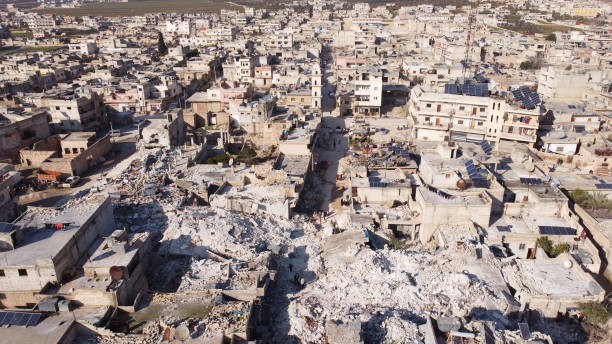
Airstrikes and missile attacks in populated areas could result in thousands of civilian casualties.
Infrastructure such as hospitals, schools, and power plants could be destroyed.
2. Refugee Crisis
A major war could displace millions of people. Neighboring countries might struggle to handle large refugee populations.
Europe and other regions could also face migration pressures.
3. Food and Water Shortages
Conflict often disrupts food supply and water access. Sanctions and infrastructure damage would worsen living conditions.
The humanitarian cost would be severe and long-lasting.
Political Consequences
The Iran Israel USA war consequences would not be limited to military and economic damage.
1. Regional Power Shift
A war could reshape power dynamics in the Middle East. Countries like Saudi Arabia, Turkey, and other regional players might adjust alliances.
New coalitions could form.
2. Involvement of Global Powers
Russia and China have strategic interests in the region. If the USA becomes deeply involved, other global powers may respond diplomatically or strategically.
This increases the risk of a broader international confrontation.
3. Domestic Political Impact
War often changes political leadership and public opinion. Governments involved may face internal pressure depending on the outcome.
In democratic countries, public reaction to war casualties could influence elections.
Cyber Warfare and Technological Consequences
Modern wars are not fought only on the battlefield.
Cyberattacks could target:
- Power grids
- Banking systems
- Communication networks
- Defense systems
Disruption of digital infrastructure could cause chaos even in countries not directly involved in the war.
This makes the Iran Israel USA war consequences far more complex than traditional wars.
Long-Term Global Impact
Even after the fighting ends, consequences would remain.
1. Economic Recovery Challenges
Rebuilding damaged cities and infrastructure would require massive funding.
Sanctions and reconstruction costs could slow economic recovery for years.
2. Increased Global Polarization
The world could become more divided politically. Countries might choose sides, increasing global tensions.
3. Rise in Defense Spending
Many nations would increase military budgets, diverting funds away from social development, education, and healthcare.
Is There a Way to Avoid These Consequences?
Diplomacy remains the most important tool to prevent such a devastating scenario.
Possible solutions include:
- Renewed nuclear negotiations
- Regional peace talks
- International mediation
- Confidence-building measures
While tensions are high, history shows that diplomatic efforts can reduce risks.
Conclusion
The Iran Israel USA war consequences would be enormous — militarily, economically, politically, and socially. A conflict of this scale would not stay confined to one region. It would affect oil prices, global markets, international alliances, and millions of innocent civilians.
Although war is not inevitable, the risk highlights the importance of dialogue and careful diplomacy.
The world cannot afford another large-scale conflict in an already unstable global environment.

